Do I have to count calories? Healthy Options for Portion Control
Mar 15, 2026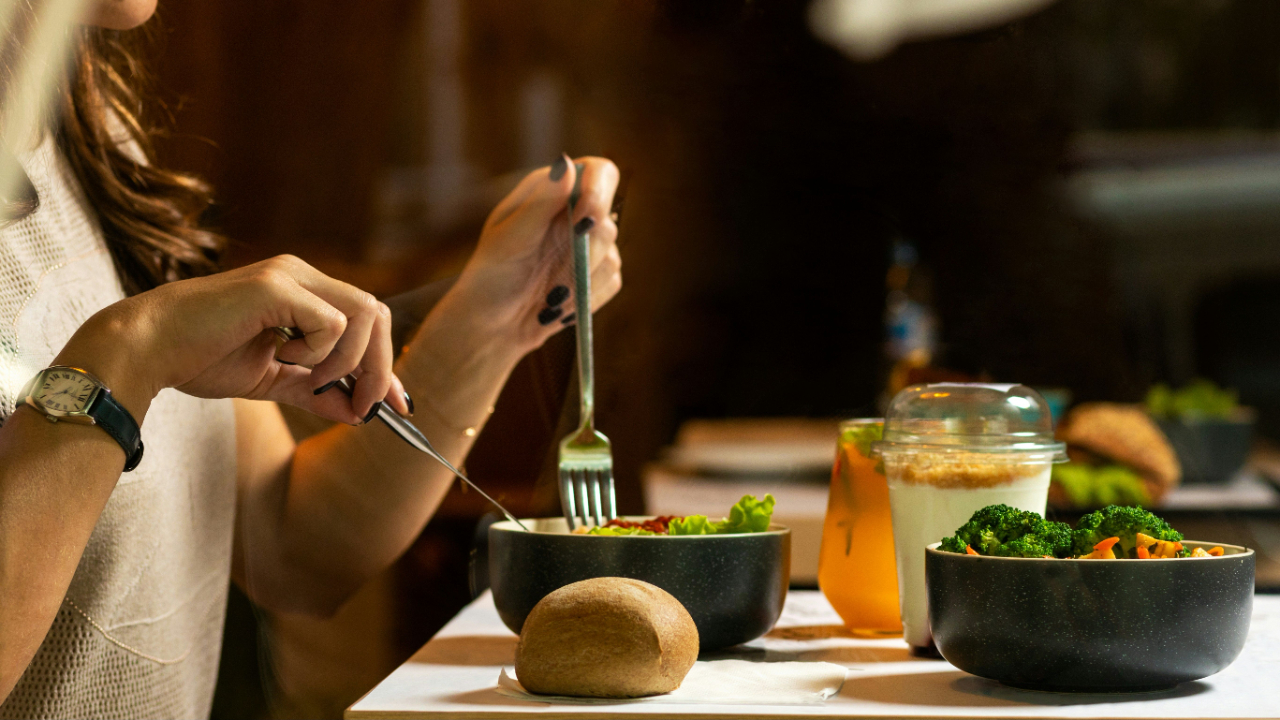
One common question I receive is whether or not you need to count calories. The answer isn't one-size-fits-all; it depends on your goals, lifestyle, and preferences. Let's explore whether calorie counting is essential and alternative approaches to support your journey with food..
Counting calories can provide valuable insights into your daily food intake, helping you manage your weight more effectively. By tracking the calories you consume, you become more self-aware of portion sizes and food choices, which can support your weight loss, maintenance, or weight gain goals. It offers a straightforward way to monitor and balance your meals. Counting calories can ensure you're consuming an appropriate amount of calories for your body's needs. While it's not necessary for everyone, calorie counting can be a helpful tool for those looking to take a structured approach to their nutrition and achieve their desired health outcomes.I have found that the clients who flourish with calorie counting are those who like to ”keep score,” need a lot of structure, or those whose health is categorized as high risk and have very little room for error.
However, calorie counting is not for everyone. It can also lead to an unhealthy fixation on numbers and foster an unhealthy relationship with food. For individuals prone to obsessive behaviors or eating disorders, constantly monitoring calorie intake can exacerbate feelings of guilt or anxiety around food choices.
Relying solely on calorie counts can also result in overlooking the nutritional quality of foods, disregarding factors such as sugar, fiber, and other essential nutrient content. Additionally, some people may find calorie counting tedious, time-consuming, or unsustainable in the long term, leading to frustration and potential abandonment of healthy eating habits. Ultimately, it's essential to prioritize overall well-being and adopt an approach to nutrition that promotes a positive mindset and cultivates a healthy relationship with food.
Here are a few alternative approaches to measuring healthy portions:
- Mindful Eating: Focus on being present during meals, paying attention to hunger and fullness cues, and savoring each bite. This approach encourages a more intuitive relationship with food. Make every effort not multitask during mealtime.
- Portion Control: Instead of counting every calorie, practice portion control by visually estimating serving sizes or using smaller plates to prevent overeating. Everyone knows how much is too much. Think with the end in mind.
- Nutrient-Dense Foods: Prioritize whole, nutrient-dense foods like fruits, vegetables, lean proteins, whole grains, and healthy fats. These foods provide essential nutrients and support overall health without having to calorie count. When your body gets what it needs, you get the results you want.
- Meal Planning: Plan balanced meals and snacks ahead of time to ensure you're meeting your nutritional needs throughout the day. Meal planning starts before you are in the grocery store as you jot down your choices for each meal. This practice can be a great benefit to deciding what foods go in your basket and which do not. If those unhealthy foods stay in the store, they won’t get eaten at home.
- Listening to your Body: Tune into your body's signals of hunger and fullness. Eat when you're hungry, stop when you're satisfied, and avoid using external cues like calorie counts to dictate your eating patterns. Also think about pausing mid meal, waiting 2-3 minutes, and ask yourself, “Do I really have room for all the food left on my plate?”
If you're unsure whether calorie counting aligns with your goals or preferences, I can provide personalized guidance tailored to your individual needs. Together, we can develop a sustainable approach to healthy eating that supports your overall well-being. While counting calories can be a valuable tool for some individuals, it's not the only path to a healthy diet. You can cultivate a balanced relationship with food that supports your health goals. Remember, the key is finding what works best for you and your lifestyle.
